Legend Athletic Training Room Hours
1:30 pm – 7:00 pm (Mon – Fri)*
Room A110
*Hours are subject to change based on school and game schedules.
Concussion Policy
If a student-athlete sustains a concussion he/she is restricted from sports participation until clearance from a physician is obtained. This allows the brain to recover without the risk of re-injury. Early diagnosis and treatment of concussions typically result in faster, more complete healing. The school nurse, counseling department, and teachers are informed of the head injury in order to fully support the student during the period of recovery. Once the athlete is symptom-free and is cleared by a physician to start the Return to Play Protocol, the athlete will complete a 6-step graduated protocol before resuming full activity. This Protocol is supervised by the athletic trainer at LHS. The athletic trainers are responsible for making all return-to-play decisions.
Head Injury Physician Release Form
Physician Release Following Injury
It is always your right as a parent to seek further medical care for your child if you have any doubts as to the seriousness of their injury. It is strongly recommended that you contact the sports medicine staff before taking your child to the physician of your choice. In most cases, the athletic trainer can treat your child on campus, eliminating the need for a doctor’s visit. When a physician visit is necessary the athletic trainer can provide a referral to a sports medicine doctor which often reduces unneeded waiting time. Any time you take your child to a physician for an injury or illness during the season, LHS requires that you obtain in writing the doctor’s instructions for treatment and return-to-play guidelines for us to treat your child appropriately and legally.
YOUR CHILD MAY NOT RETURN TO PLAY WITHOUT A WRITTEN RELEASE FROM THE PHYSICIAN.
Sara Kramer, LAT, ATC
Head Athletic Trainer
email: skramer1@dcsdk12.org
Sara became the head athletic trainer at Legend High School in 2023. She graduated from Metropolitan State College of Denver in 2008 with a degree in Human performance and development with a concentration in athletic training. Following graduation, she went on to work as the assistant athletic trainer at Highlands Ranch High School from 2008-2016. After that she worked in a variety of settings including fitness centers, in-home care for physical and cognitive patients, and orthopedic clinics. There she provided care to a wide range of patients from 3 months-107 years of age with cognitive and physical injuries and disabilities. She was a competitive athlete herself and the high school she attended did not have an athletic trainer. After losing a scholarship opportunity due to an injury, she shifted directions and made the decision to become an athletic trainer to help athletes stay healthy and achieve their goals.
ARYSE x Legend Athletics
Legend High School Athletic Training has partnered with ARYSE to bring our athletes the best when it comes to bracing needs. ARYSE offers a variety of options to make sure our athletes are returning to sport safely. Below are the most utilized braces we use to make sure our athletes are returning to sport at a level similar to that prior to injury. These braces are available in the Athletic Training Room for in-season athletes to checkout. If your athlete wants to continue wearing the brace out-of-season or simply wants their own, they are available for purchase online at ARYSE.com for year-round use. For special pricing use our code LEGENDTITANS at checkout for 10% off your order or contact Joe directly for an additional team discount. If you have any questions regarding how your athlete can get a brace for either prevention or a current injury please reach out to Joe for further information.
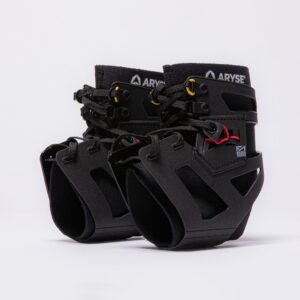 | 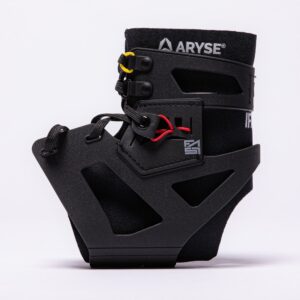 | IFAST Full-Mobility Ankle StabilizerDeveloped with the body in mind, the IFAST is the only dynamic ankle stabilizer. The IFAST moves the way the body moves and protects the way the body protects. Designed for movement, the IFAST fits easily inside your shoe or boot providing ankle protection without compromising performance. |
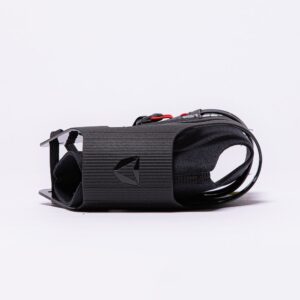 | 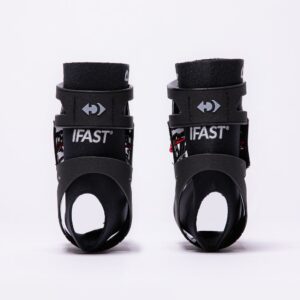 | Applications: Football, Softball, Basketball, Volleyball, Soccer, Baseball, Cheerleading, Lacrosse, TennisLink to item: https://aryse.com/product/ifast Use code LEGENDTITANS at checkout for 10% off your order. |
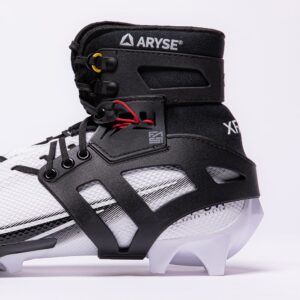 | 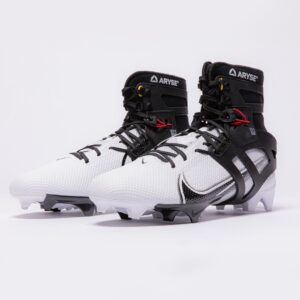 | XFAST Full-Mobility Ankle StabilizerThe XFAST brings new protection to the cleat world. Similar to the IFAST, the XFAST mimics anatomy, giving athletes access to their full range of motion while also giving them a precise and customizable level of protection. By integrating into the cleat, the XFAST converts the entire cleat into a stabilizing device for the athlete’s ankle joint. |
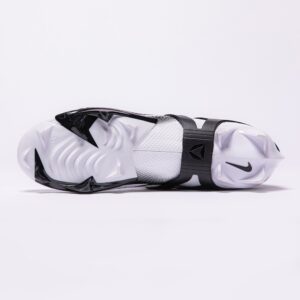 | 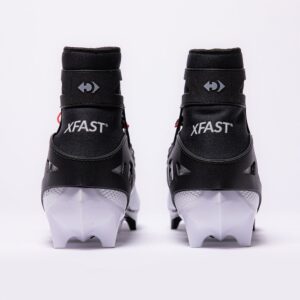 | Applications: Football, Softball, Soccer, Baseball, LacrosseLink to item: https://aryse.com/product/xfast Use code LEGENDTITANS at checkout for 10% off your order. |
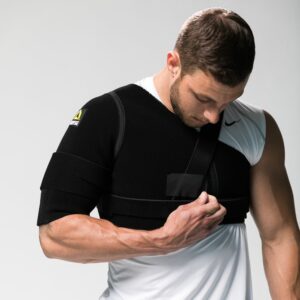 | 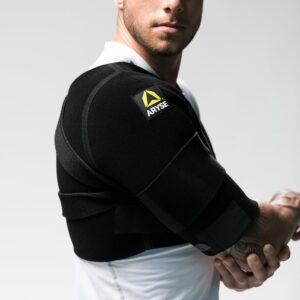 | OSKIE Reconditioning Shoulder SupportThe OSKIE is the tried-and-true solution for shoulder instability. The OSKIE gives great support and offers a simple design that works with athletes’ natural range of motion. |
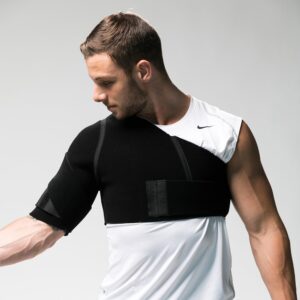 | 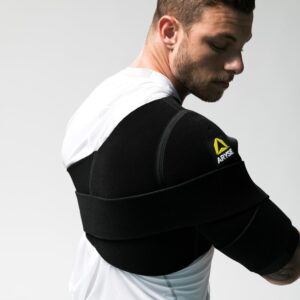 | Applications: Muscle Strains, Post-Surgery Recovery, Rotator Cuff Deceleration, Shoulder Joint Instabilities, SubluxationsLink to item: https://aryse.com/product/oskie Use code LEGENDTITANS at checkout for 10% off your order. |
IFAST Tutorial
XFAST Tutorial
Visit ARYSE for more information on their products.
Physical rehabilitation programs, also commonly known as rehab programs, are specialized treatment plans designed to help athletes recover from injuries, surgeries, or correct musculoskeletal imbalances. These programs aim to restore function, reduce pain, improve mobility, and enhance overall physical well-being. For every athlete who enters our athletic training room, the following steps will be taken to ensure proper treatment for a timely and safe return to play:
- Assessment and personalized treatment: Physical rehab programs begin with a thorough assessment of an individual’s condition, including evaluating their range of motion, strength, balance, and functional abilities. Based on the assessment, a personalized treatment plan is developed to address specific goals and needs.
- Therapeutic exercises: These programs often incorporate therapeutic exercises targeting strength, flexibility, coordination, and endurance. These exercises are tailored to the individual’s abilities and gradually progress as the person’s condition improves. They help rebuild strength, restore joint mobility, and enhance overall physical function.
- Pain management: Physical rehab programs utilize various techniques and modalities to manage pain effectively. These may include heat or cold therapy, electrical stimulation, ultrasound, manual therapy, and therapeutic massage. The aim is to alleviate pain, reduce inflammation, and improve comfort during the rehabilitation process.
- Assistive devices and mobility aids: If necessary, physical rehab programs may involve the use of assistive devices such as crutches, bracing, or taping to aid in stability. Athletic trainers will provide guidance on their proper use, fitting, and techniques to maximize independence and safety.
- Education and self-care: Physical rehab programs focus on educating individuals about their condition, proper body mechanics, and strategies for preventing re-injury. They also provide guidance on self-care techniques, such as home exercises, stretching routines, and physical corrections, empowering individuals to actively participate in their recovery and maintain their progress.
- Functional training and adaptation: Depending on the individual’s specific needs, physical rehab programs often incorporate functional training. This involves practicing activities relevant to daily life as well as activities specific to sport. This training may include basic activities such as walking, climbing stairs, or reaching for objects to more dynamic activities including running and jumping. By focusing on functional tasks, athletes will regain the ability to perform everyday activities and meet the demands of their sport.
- Emotional support: Physical rehab programs recognize the emotional impact of injuries. Athletic trainers can provide emotional support and motivation to help individuals cope with the challenges they may face during the recovery process. This support can positively influence mental well-being and overall rehabilitation outcomes.